





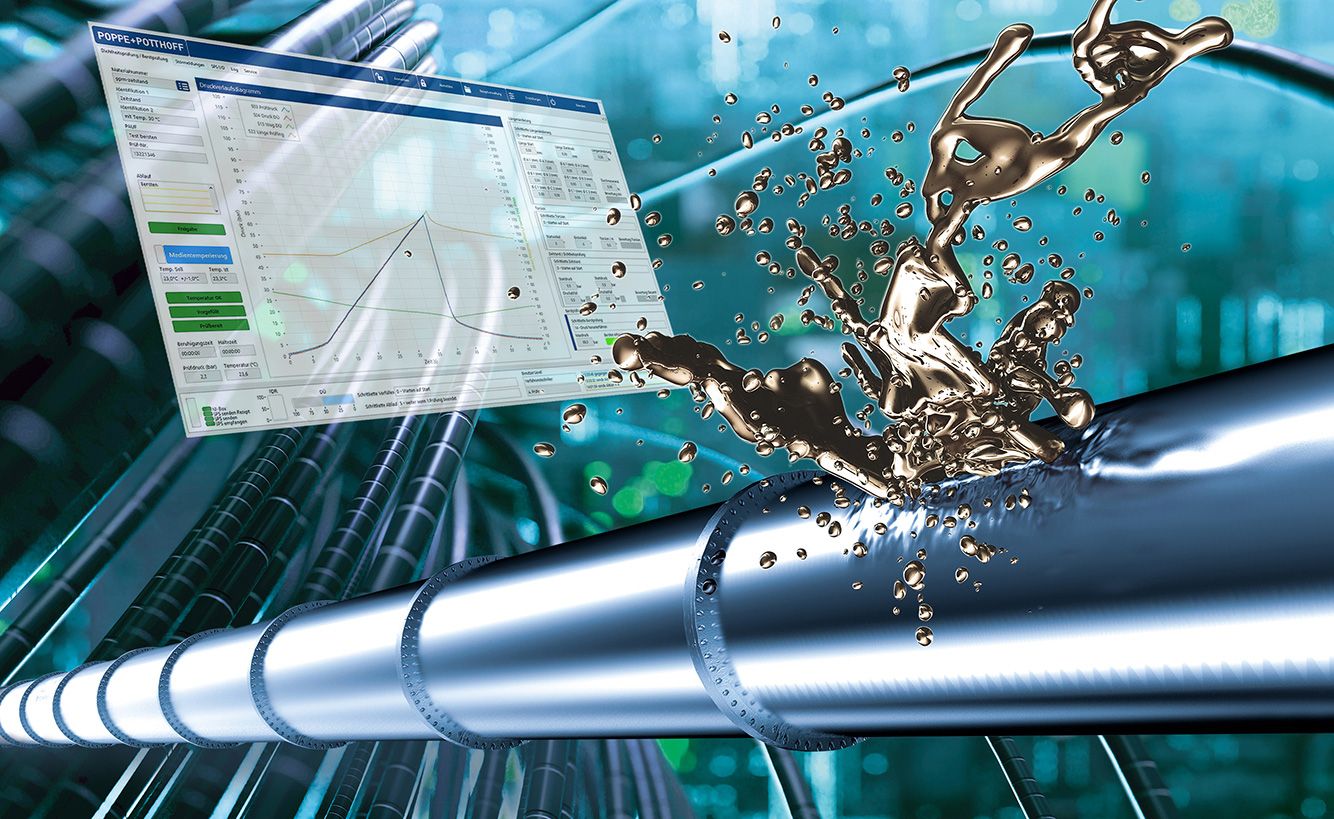
Burst Pressure Test Bench up to 15,000 bar. A burst pressure test is a (high-) pressure test used to determine the maximum pressure a component can withstand before failure or rupture. This destructive pressure test helps validate safety margins, material strength, and product design integrity under extreme load conditions.
Burst Test Bench Up to 15,000 bar
Custom-Built for Your Application
Burst pressure testing is a destructive test method used to determine the maximum pressure a component can withstand before failure or rupture. Also known as a burst test, destructive pressure test, or pressure proof test, it is a critical step in validating the structural integrity of hoses, tubes, fittings, sensors, pressure vessels, and fluid-carrying assemblies.
At Poppe + Potthoff Maschinenbau, we design and manufacture burst pressure test benches capable of reaching up to 15,000 bar — from low-pressure plastic component testing at 30 bar to extreme-pressure common-rail and aerospace applications. Further, our test benches comply with international test standards, including DIN EN ISO 1402, SAE J517, ISO 18752, and OEM-specific requirements from automotive Tier 1 suppliers worldwide.
Burst Pressure Testing Applications by Industry
Burst pressure test benches are used across a wide range of industries wherever fluid-carrying components must be validated under extreme pressure conditions. As a result, common applications include:
- Industrial Hydraulics — cylinders, accumulator shells, tubes, and valve bodies tested to PED/CE requirements
- Automotive & E-Mobility — hoses, coolant lines, connectors, fuel rail components, and brake assemblies tested to OEM standards (BMW GS 95024-3-1, MBN 10306, VW 8000)
- Hydrogen Systems — pressure vessels, tanks, valves, and fittings tested per ISO 19881 and SAE J2601
- Aerospace — hydraulic lines, actuator components, and fuel system parts requiring traceability and certification
- Oil & Gas — drill pipes, downhole tools, and wellhead components tested to API standards
- Medical Technology — implants, catheters, and fluid delivery systems requiring ISO 10555 compliance
Custom Pressure Test Benches — Built to Your Specification
At Poppe + Potthoff Maschinenbau, we design and manufacture burst pressure test benches capable of reaching up to 15,000 bar. Therefore, our systems are used worldwide to verify the safety and quality of fluid-carrying components, including hoses, tubes, sensors, fittings, and pressure vessels. Whether for prototype validation, series production testing, or research and development, our customizable burst test rigs deliver precise and repeatable results — putting your components to the ultimate test. Frequently, customers combine burst pressure test benches with pressure cycle testing capabilities.
We also offer burst testing as a service at our test facility in Nordhausen, Germany — ideal for prototype validation, peak production demand, or regulatory certification without capital investment. → Learn more about our Burst Test Service
Discover More Burst Test Benches
From low pressures (30 bar) to extreme pressures (15,000 bar), test your components in a destructive burst test with oil, water, air, glycol, and more. Optional temperature control for both test media and environment. Find out more below!
Burst Test Bench up to 4000 bar
In machinery and vehicles, fluid-carrying components are exposed to extreme conditions. The fatigue and material strength of pumps, pressure vessels, tubes, and pipes made of metal or plastic are tested through dynamic and static pressure tests such as leak or burst pressure tests. Therefore, depending on the area of application, the DUT tests are required with different test media under varying temperature conditions. Poppe + Potthoff supplies the turn key test rig together with a quick-change device for the test objects and an optional climate chamber.
Performance Data
High-Pressure Burst Test Bench
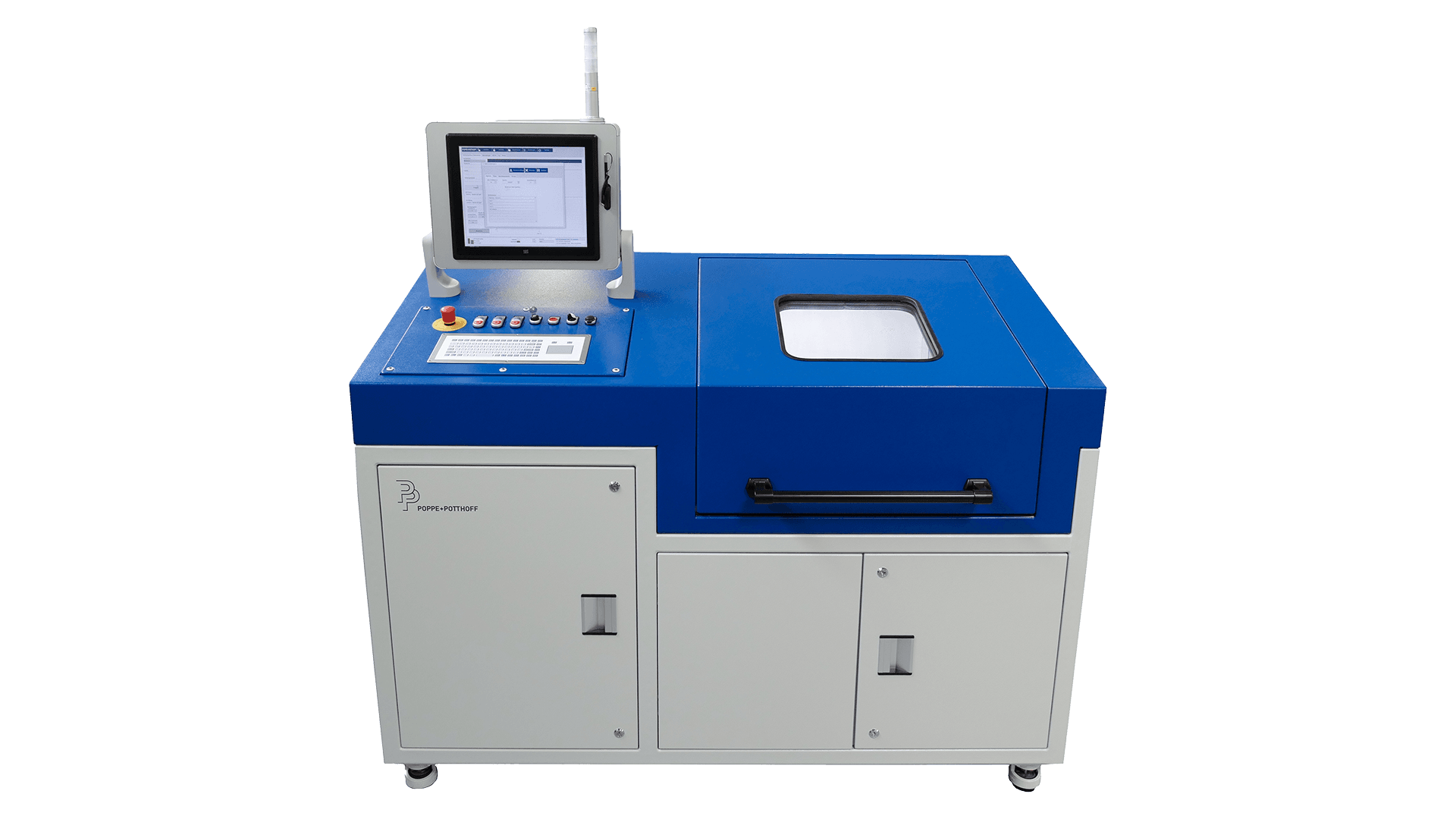
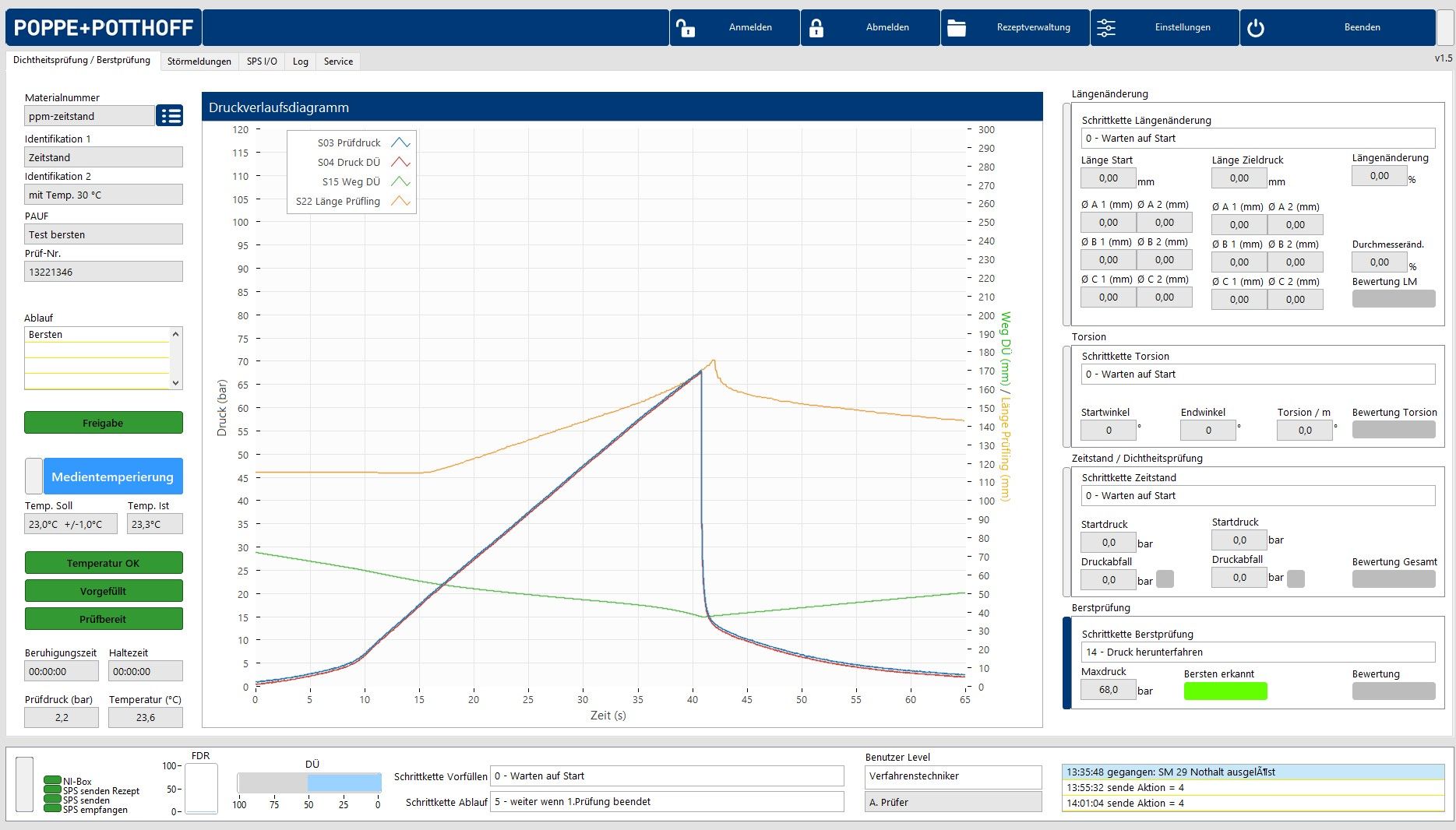
Poppe + Potthoff Maschinenbau develops and manufactures customer-specific pressure test rigs for testing DUTs during operation and under fatigue. These test benches enable customers to test all sorts of components such as fittings, airbags, hoses, tubes, accumulators, sensors, hydraulic components and other pressure vessels until they burst. Pressure and volume can be accurately increased up to a pmax. of 15 000 bar. Depending on the pressure unit in the test rig the pressure curve can be controlled to enable hold times, pressure reduction and generally a flexibly programmed pressure curve.
Performance Data

Burst Pressure Test Bench for Plastic Components
The test bench is a turnkey system and has been developed for the plastic component industry. Our modular system allows easy adoption of requirements for customer specifications. DUTs can be easily changed by using quick-release couplings. Furthermore, a quick-change device is possible in order to mount the DUT by hand outside of the test chamber. The burst pressure test rig can be equipped with two pressure circuits to fulfil a large range of testing requirements. One circuit up to 50 bar with our patented and wear-and-tear free pressure fine control method. The other circuit could involve a pneumatic intensifier to generate pressures of 400 bar. Destructive burst tests can be performed with water, oil, or water glycol for example.
Performance Data
Burst Pressure Test Rig for Pipes, Tubes and Hoses
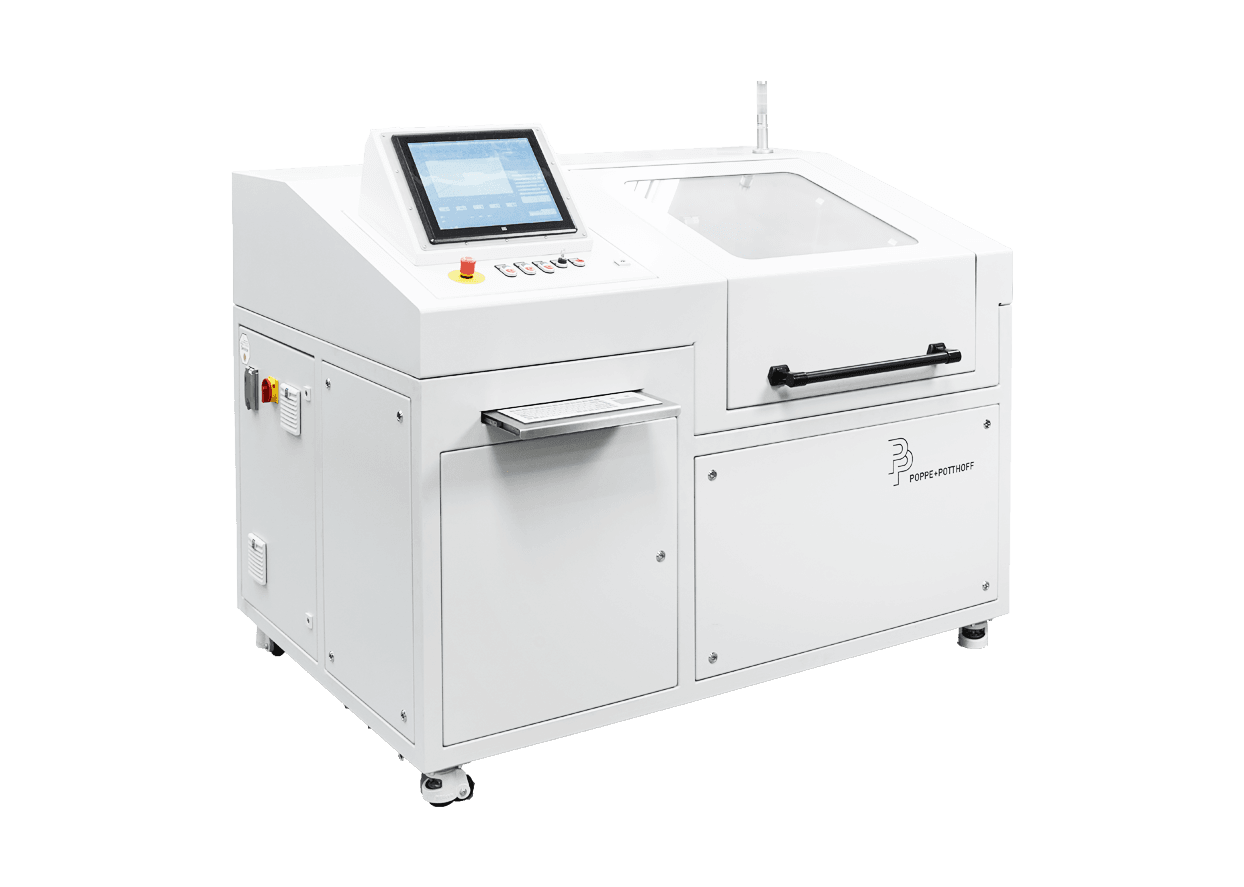
Hose, tubes, pipes and pipe joints are frequently required to go through various testing procedures, including burst tests. The components must safely withstand pre-defined pressures to pass quality control or be validated during R&D. To test their quality and material strength burst tests are conducted to prove the component behaves as expected under pressure and can withstand higher pressures than the operating pressure. Test benches by Poppe + Potthoff use state-of-the-art technology, which makes it possible to determine burst pressures within seconds while documenting the process and collecting various data points for in-depth analysis.
Performance Data
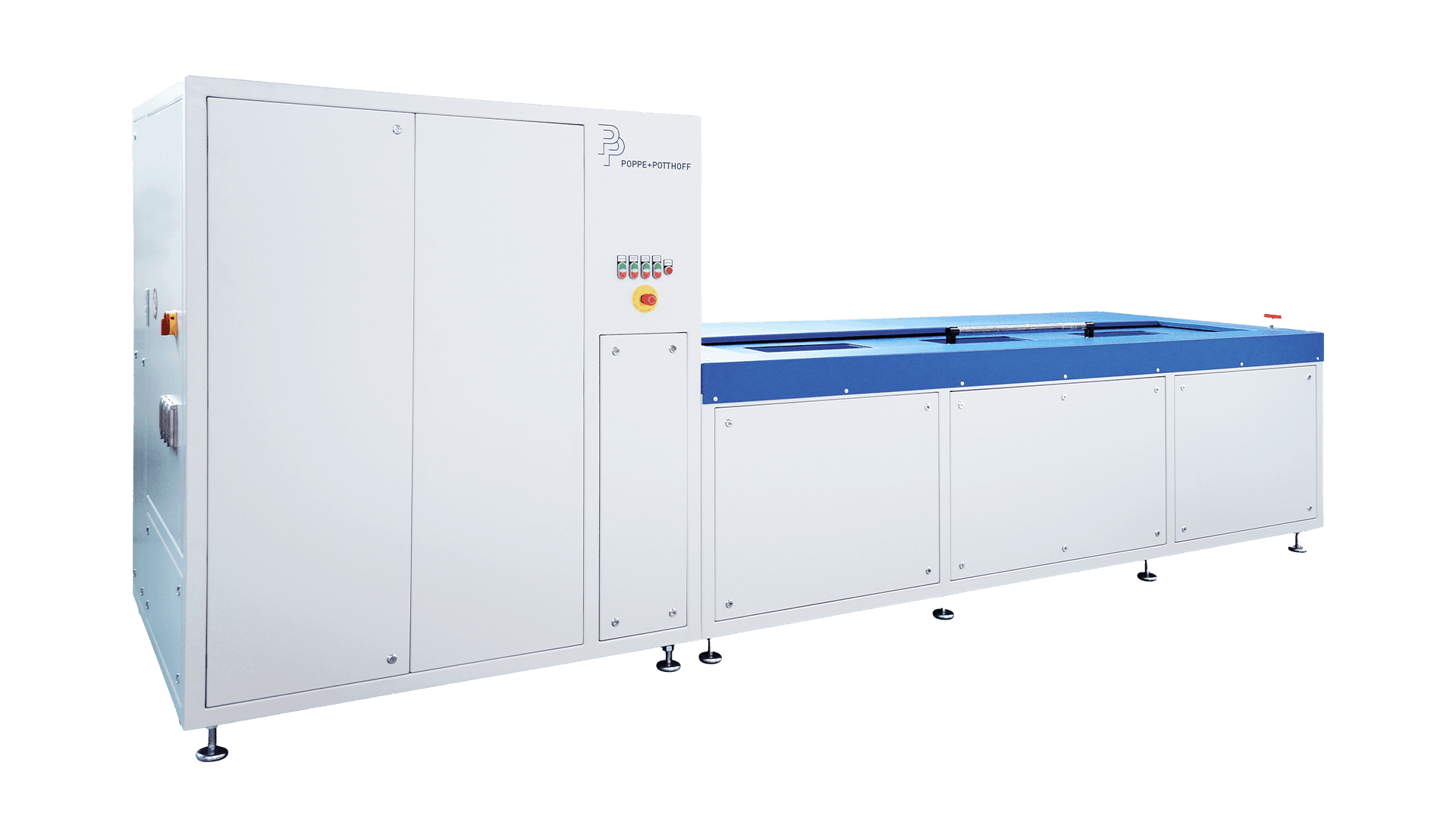
Pressure test bench for hoses with laser measurement
The test stand is a self-sufficient system and enables proof pressure tests, burst pressure tests and pressure drop tests on hoses. The freely programmable pressure control up to 60 bar is achieved by our patented wear-free precision pressure control method. This method is very accurate, repeatable and particularly suitable for large expansion volumes. Above a pressure of 60 bar a hydraulic pressure intensifier takes over and enables exact pressure ramps of up to 600 bar.
The test stand can be equipped with an automatic length, torsion and strain measurement system. The data is automatically stored in the system and enables efficient and quick checks.
In addition, the system can be offered with quick-release couplings (adapters) so that the test item does not have to be prepared in advance.
Performance Data

Burst Pressure Test Bench for Hydraulic Accumulators with High-Pressure Pump up to 4000 bar
Our burst pressure test stand is engineered for the high-pressure testing of hydraulic accumulators and other pressure-bearing components. Designed for extreme operating conditions, it delivers reliable and precise testing up to 4,000 bar to identify failure points and validate safety margins. Ideal for R&D, quality assurance, and certification testing.
The test begins with the filling of the test specimen using a pre-fill pump, which simultaneously removes air from the system. Once filling is complete, all valves are closed, and the pressure is increased according to the predefined test parameters. The test pressure is measured by high-precision pressure transmitters and displayed digitally on the control panel.
Performance Data
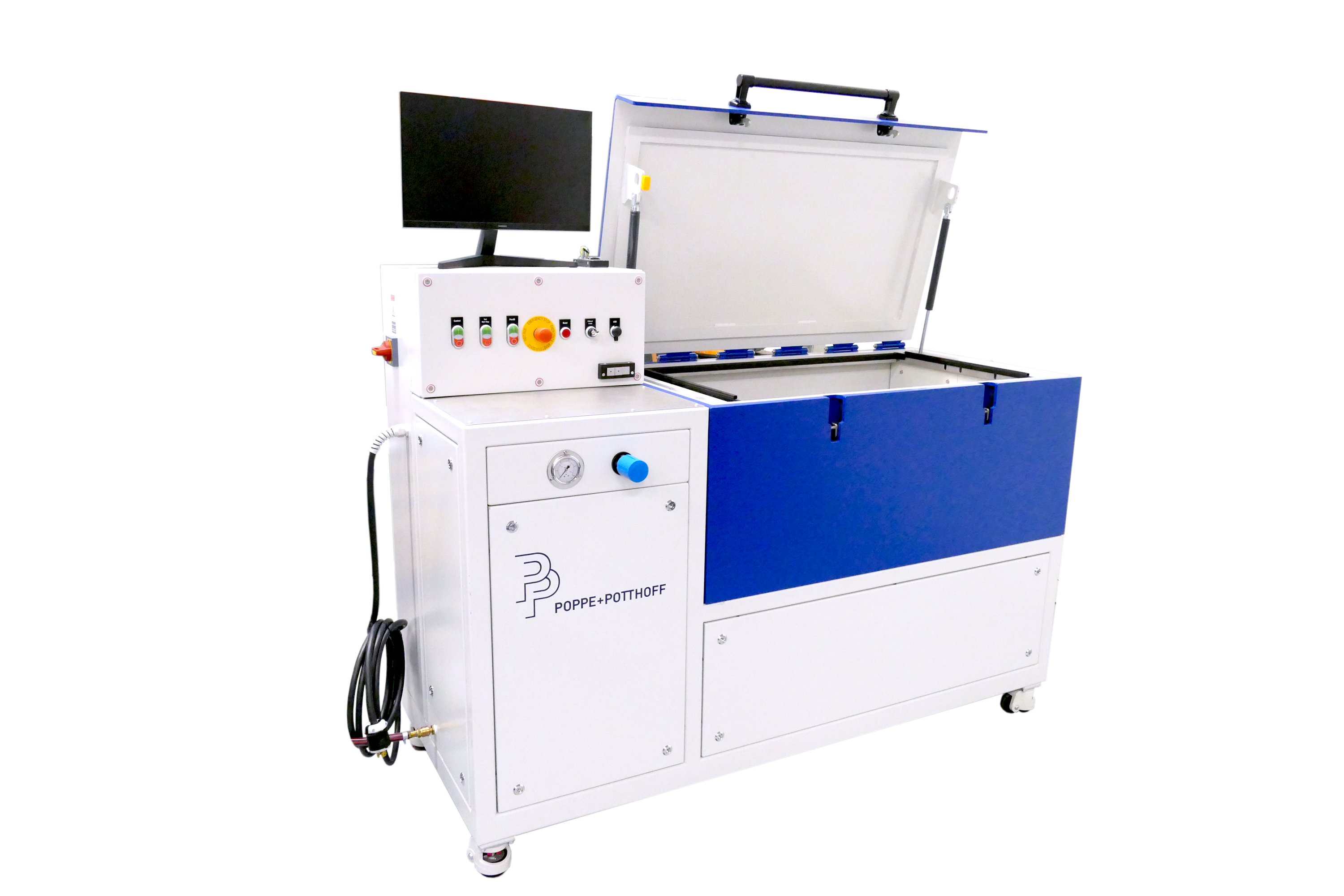
Burst Test Chamber and Pressure Cycle Test Bench
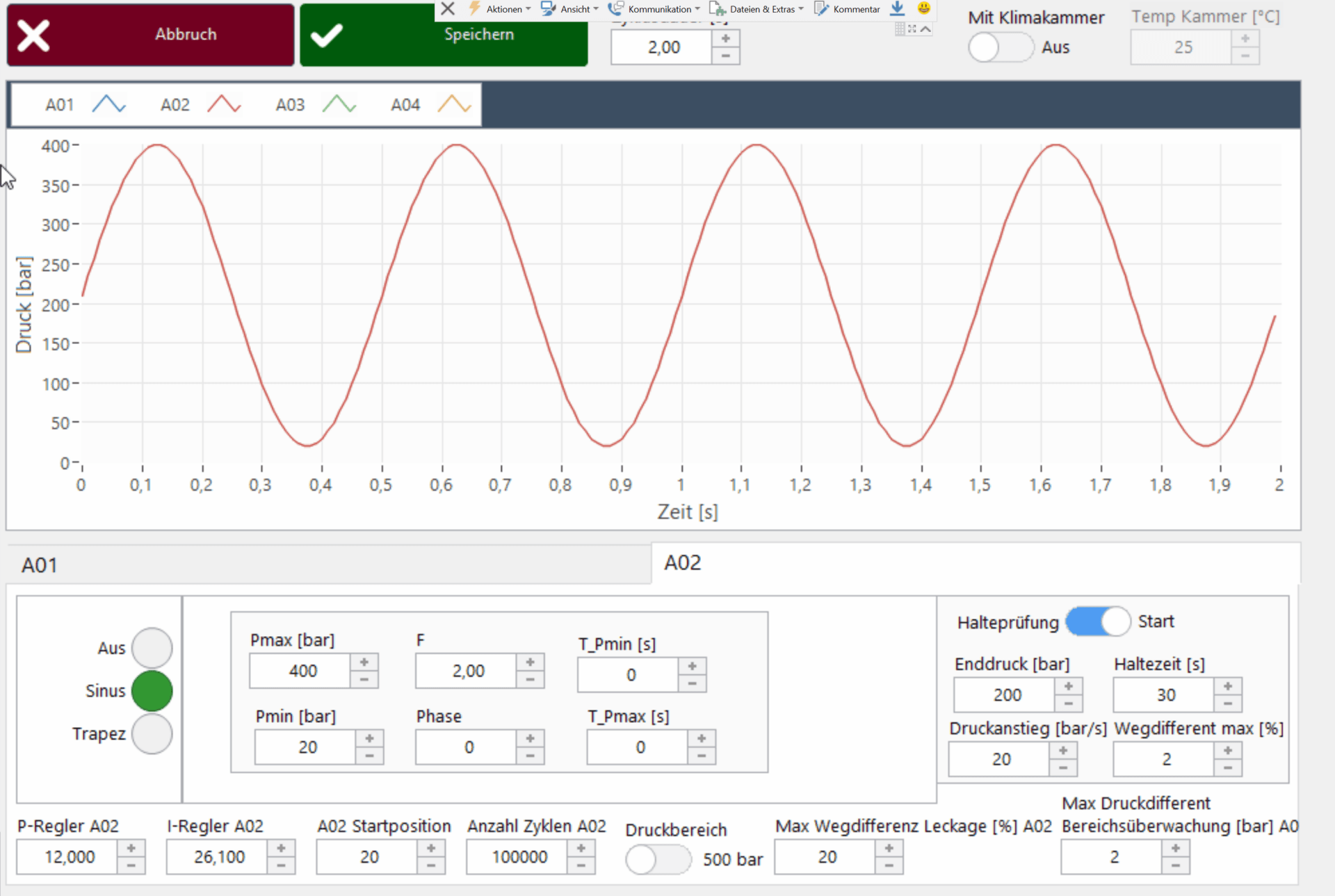
The test stand is a self-sufficient system and enables bursting pressure and pressure cycle tests with trapezoidal (square) and sine (wave) curves. The test stand is ideally suited for components with large displacement volumes. The test stand is equipped with two separate chambers and has a specially developed flex pressure intensifier that can handle a wide range of component volumes without losing accuracy. The test stand can create freely programmable pressure ramps and can thus cover various test requirements.
Performance Data
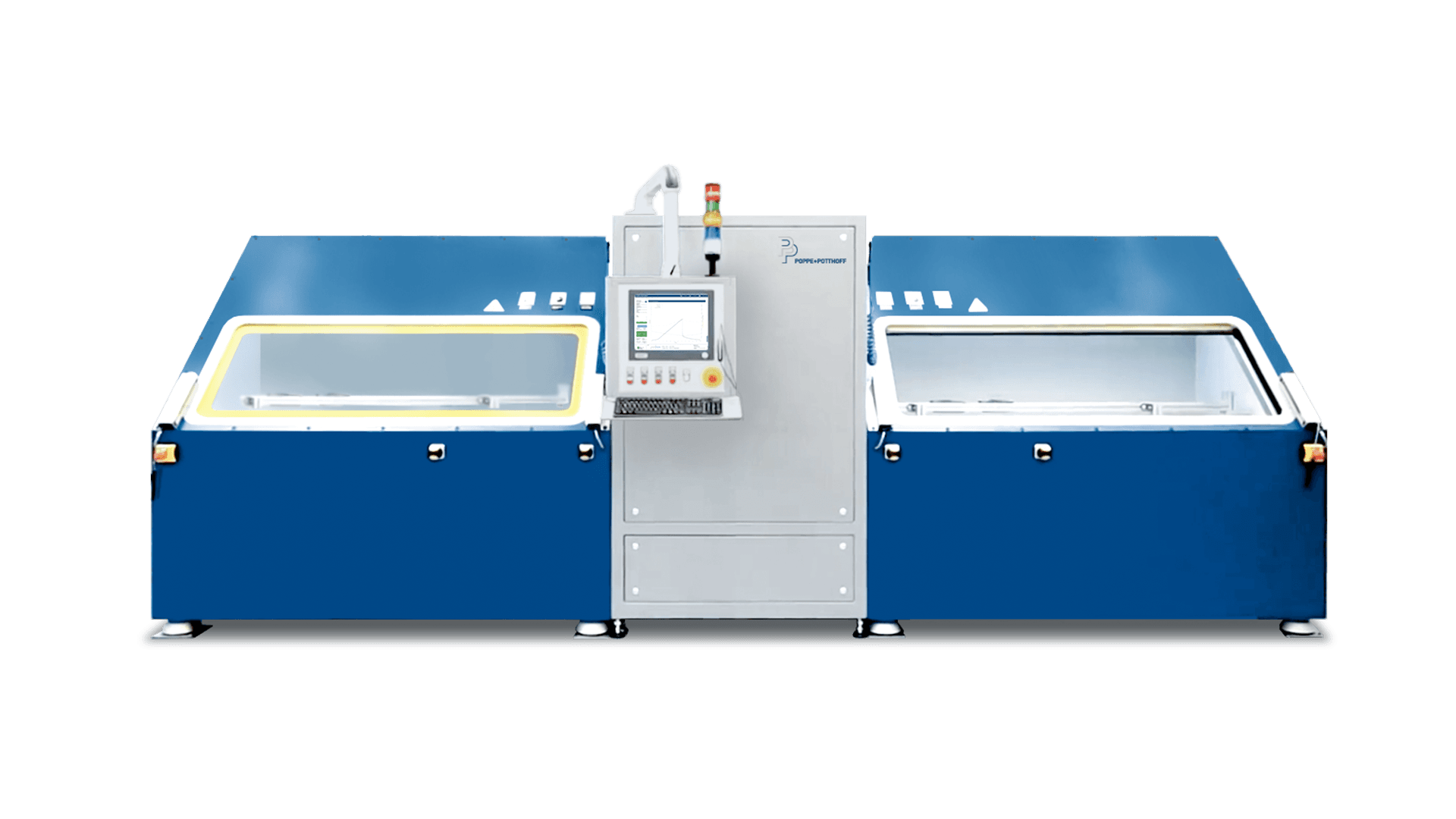
Burst Pressure Test Rig for Airbag Inflators with High-Speed Curve Capture up to 4000 bar
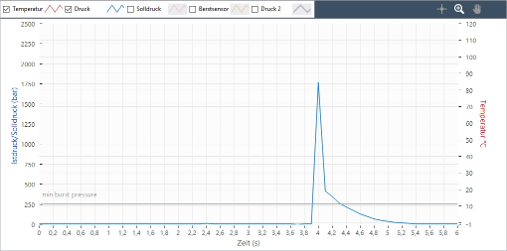
Our burst pressure test rig is purpose-built for dynamic pressure testing of airbag inflators and other safety-critical components. Designed for extreme conditions and fast pressure rise rates, the system allows precise characterization of burst behavior—including detailed pressure curves in the millisecond range.
With automated pressure buildup and real-time data acquisition, this rig ensures accurate, repeatable burst testing up to 4000 bar, enabling OEMs and suppliers to validate inflator designs, confirm safety margins, and meet international standards. Ideal for automotive R&D, compliance, and certification testing.
The test process begins with automatic specimen filling and air purging, followed by controlled pressure increase according to user-defined test parameters. High-resolution pressure sensors record the burst event, and data is displayed and stored for evaluation.
Performance Data
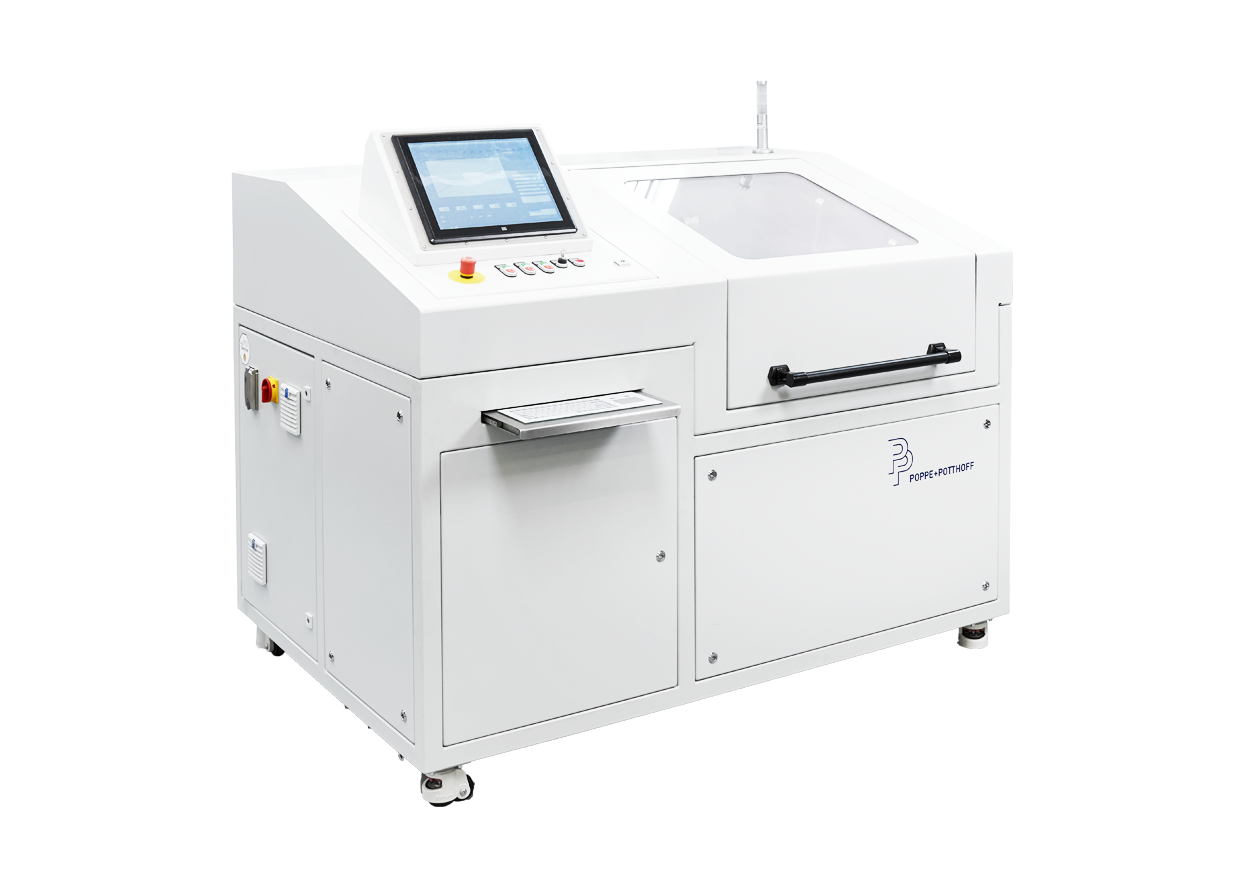
Pressure Pulse and Burst Test Bench for Battery Cells
Battery cells and their pressure-bearing components are exposed to significant mechanical and pressure-related loads throughout their lifecycle. Internal gas generation, temperature fluctuations, and operational stresses can all lead to increased internal pressure. Reliable pressure testing is therefore essential to validate safety, durability, and compliance with regulatory requirements.
Our pressure pulse and burst test stands for battery cells are designed to evaluate these effects under controlled, reproducible conditions in development, validation, and production environments.
Applications Areas
Pressure pulse and burst testing is used across a wide range of battery-related applications, including the development and qualification of battery cells, the validation of cell housings and sealing concepts, and safety-relevant investigations. Typical use cases include design validation, lifetime testing, type approval testing, and series-accompanying quality assurance.
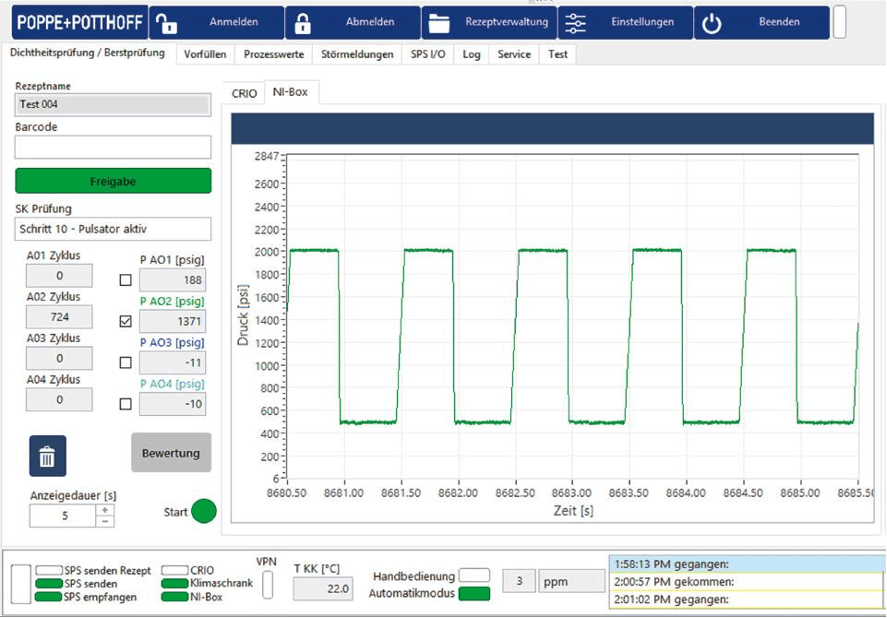
Pressure Pulse Testing of Battery Cells
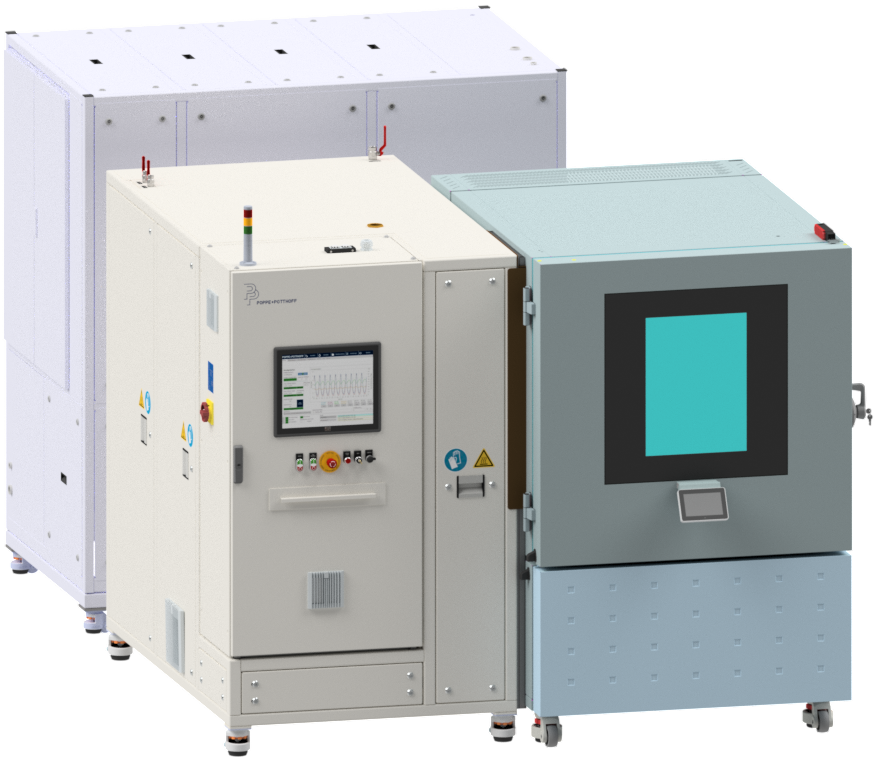
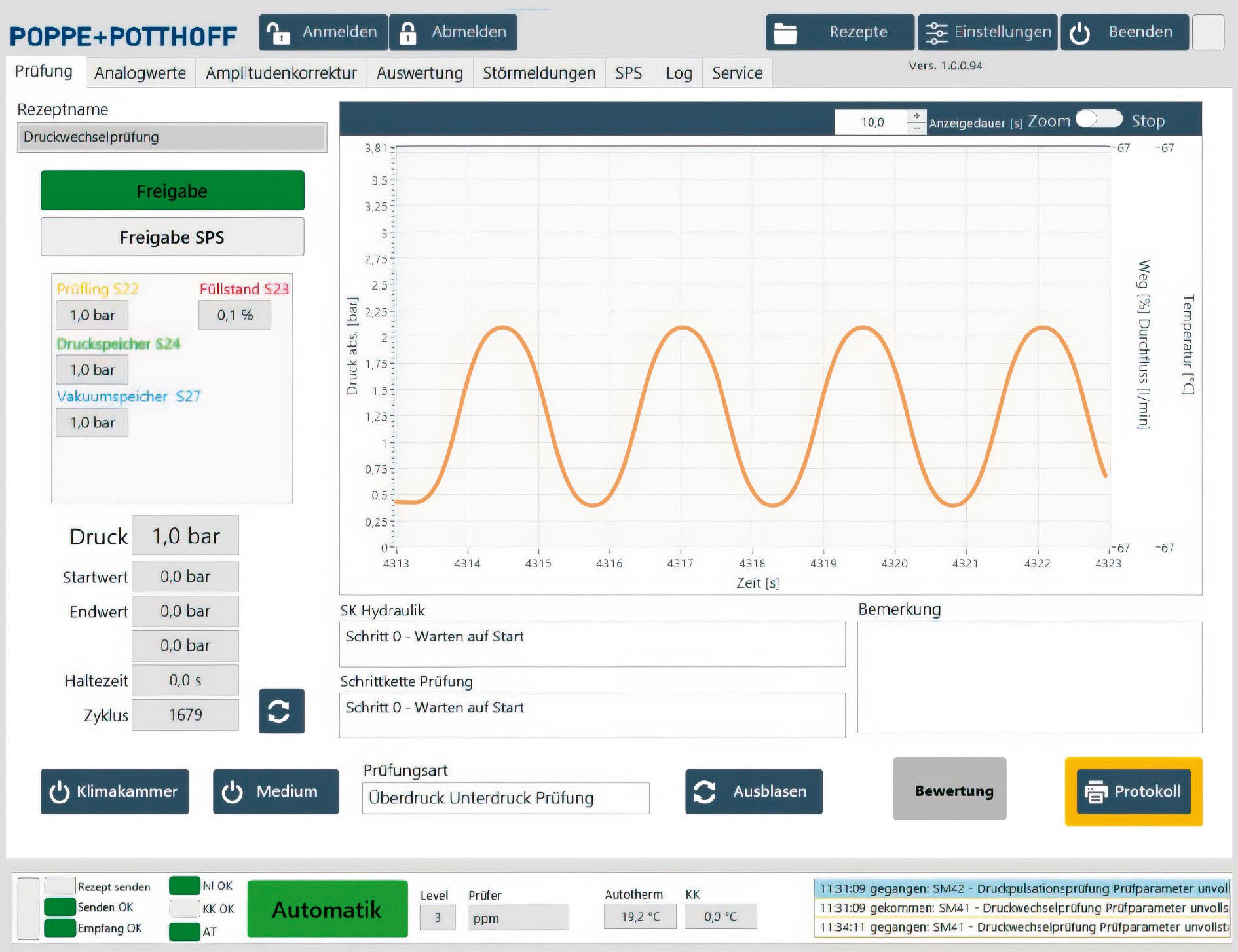
Pressure pulse testing is used to simulate dynamic pressure loads that occur during real operation. Battery cells or test specimens are subjected to cyclic pressure profiles with defined pressure amplitudes, rise and fall rates, and hold times. These tests replicate pressure fluctuations caused by thermal expansion, internal gas formation, or load changes during operation.
Continuous monitoring of pressure and temperature allows stable test conditions and ensures high reproducibility over extended test durations. Pressure pulse testing enables the early identification of material fatigue, leakage behavior, and structural weaknesses that could affect long-term reliability.
Performance Data
Burst Testing of Battery Cells and Components
Burst testing determines the maximum pressure resistance of battery cells or pressure-bearing components. During the test, pressure is increased in a controlled and linear manner until structural failure occurs. The resulting burst pressure and failure mode provide critical information for safety assessments and design validation.
Burst testing complements pressure pulse testing by defining the upper pressure limits of components and verifying safety margins under extreme conditions.
Test as a Service
We offer burst tests in various pressure ranges as a test service. Whether for research and development or serial production, please contact us with your testing requirements.
Frequently Asked Questions — Burst Pressure Testing
Technical questions about burst pressure tests, our test benches, and services — answered by our engineering team.
-
A burst pressure test — also known as a destructive pressure test or hydrostatic burst test — is a quality assurance and design validation method in which a component is subjected to continuously increasing internal pressure until it fails, ruptures, or bursts. As a result, the test reveals the component’s actual maximum pressure resistance, identifies the failure mode, and confirms whether safety margins against the operating pressure are truly sufficient. Because so many industries depend on fluid-carrying components performing reliably under extreme loads, burst pressure tests are mandated by numerous international standards, including DIN EN ISO 1402, SAE J517, ISO 18752, and IACS P2.11.
-
A proof pressure test subjects a component to a defined overpressure — typically 1.25× to 1.5× the maximum allowable working pressure — for a set duration, after which the component is expected to survive and remain in service. A burst test, however, is entirely destructive: pressure is increased without limit until the component fails, thereby revealing the true failure point and safety margin. In practice, both tests serve different purposes and are often required at different stages of a product’s lifecycle. For that reason, many Poppe + Potthoff test benches are designed to perform both test types within a single rig.
-
The applicable standard depends heavily on the component type and target industry. For hydraulic hoses and assemblies, DIN EN ISO 1402 and SAE J517 are the primary references, while ISO 18752 covers rubber hoses in hydraulic applications specifically. Hydrogen components, on the other hand, fall under ISO 19881 for fuel containers and SAE J2601 for refuelling. Marine applications are governed by IACS P2.11, and OEM-specific requirements from automotive Tier 1 suppliers — such as BMW GS 95024-3-1, MBN 10306, and VW 8000 — add another layer of complexity. For components placed on the European market, PED 2014/68/EU also applies. Given this variety, Poppe + Potthoff engineers advise on the correct standard and test method during the specification phase of every project.
-
Our burst pressure test benches cover an exceptionally wide range — from 30 bar for low-pressure plastic component and hose testing all the way up to 15,000 bar for ultra-high-pressure hydraulic and sensor applications. In practice, the appropriate pressure range is determined by the component’s operating pressure, the safety factor required by the applicable standard, and the material properties of the device under test. Therefore, we always recommend discussing your specific test requirements with our engineering team before selecting a configuration.
-
Our burst pressure test benches handle a broad range of fluid-carrying components across virtually every pressure-critical industry. Common examples include hydraulic and pneumatic hoses, tubes and pipe assemblies, rubber and thermoplastic hose lines, metal and composite pressure vessels and accumulators, fuel injectors, common rails and pump heads, automotive coolant connectors and sensors, hydrogen storage tanks and on-tank valves, airbag inflators, battery cell housings, EV cooling circuit components, medical fluid delivery devices, and aerospace hydraulic lines. Beyond standard configurations, some of our rigs are additionally equipped with a water bath, enabling underwater bubble testing for leak detection alongside the burst procedure.
-
Water, hydraulic oil, water-glycol mixtures, and brake fluid are the most widely used test media. However, the right choice ultimately depends on the component’s service medium, the applicable test standard, and the relevant safety considerations. It is worth noting that some standards actually mandate a specific medium — DIN EN ISO 1402, for instance, requires water or water-glycol. Where needed, our test benches can be configured to handle multiple media within a single system, which is particularly useful for labs running a variety of components. For air or gas burst testing, ATEX-compliant enclosures are available and may be required depending on the test pressure and medium.
-
Although both tests involve pressure, they serve fundamentally different purposes. A burst test is a single, destructive event — pressure is increased steadily until the component fails, establishing its absolute maximum pressure resistance. A pressure impulse test, by contrast, applies repeated dynamic pressure cycles between a defined lower and upper pressure, simulating the fatigue the component will experience over its actual service life. As a result, the two tests answer different questions: the burst test defines the failure limit, while the impulse test evaluates long-term durability. In many industries, both are required for the same component. For that reason, several Poppe + Potthoff systems combine burst and impulse testing capabilities within a single rig, reducing both footprint and investment.
-
Yes. Poppe + Potthoff offers burst pressure testing as a contract service at our facility in Nordhausen, Germany. This is particularly well suited to prototype validation, regulatory certification testing, or situations where the test volume does not yet justify investment in dedicated equipment. Our test lab covers the full pressure range from 30 bar to 15,000 bar, and all results are fully documented and traceable. To receive a quotation, simply contact our team with your component specifications and the applicable test standard.
-
Standard configurations typically have a lead time of 12 to 20 weeks from order confirmation, though this varies depending on the pressure specification, complexity, and whether a chiller or climate chamber is included. More specialised systems — such as multi-station rigs with ATEX zones or integrated climate chambers — will naturally require additional engineering time. In all cases, our team provides a detailed technical consultation and quotation well before any commitment is required, so there are no surprises once the project begins.
PRESSURE TEST BENCHES AND APPLICATIONS
PRECISE, REPEATABLE AND RELIABLE
As a specialist in pressure testing technology and state-of-the-art test rigs, Poppe + Potthoff Maschinenbau supports the development and production of particularly resilient components made of various materials – especially for automotive, shipbuilding and mechanical engineering as well as fluid and the medical industry. We offer individually designed test benches such as burst pressure test rigs, pressure cycle test benches, leak test systems, functional test rigs and autofrettage systems.
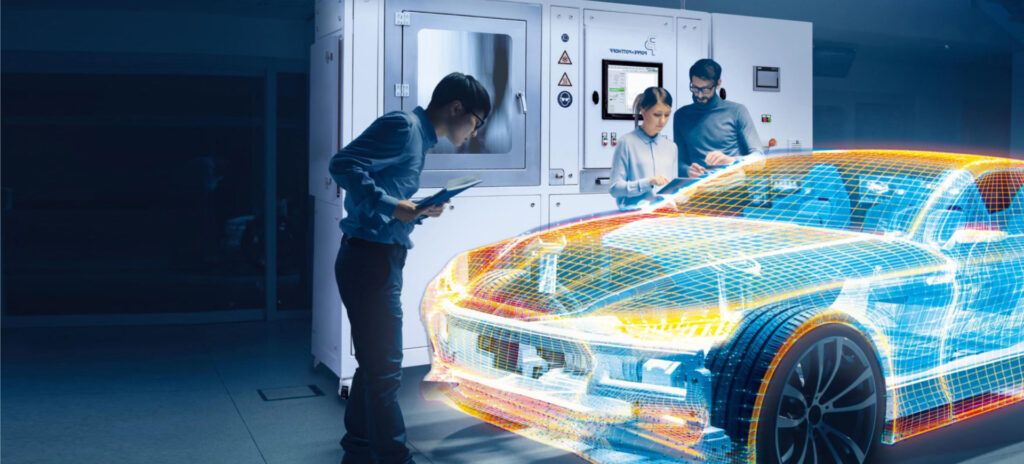
Pressure change test stand with vacuum testing
Subject cooling systems of ECUs, PTC heaters, high-voltage coolant auxiliary heaters, ACDC and DCDC converters, and other media-carrying components to pressure tests while controlling the ambient and media temperature of, for example, water-glycol at temperatures from -40 °C to 140 °C.

Function test stand: battery simulation under the influence of temperature
For functional testing of media-carrying components, a temperature-controlled volume flow (e.g. 30l/min) can be generated with the Poppe + Potthoff test benches. In addition, a component from e-mobility can be energized if required.
Leakage test stand
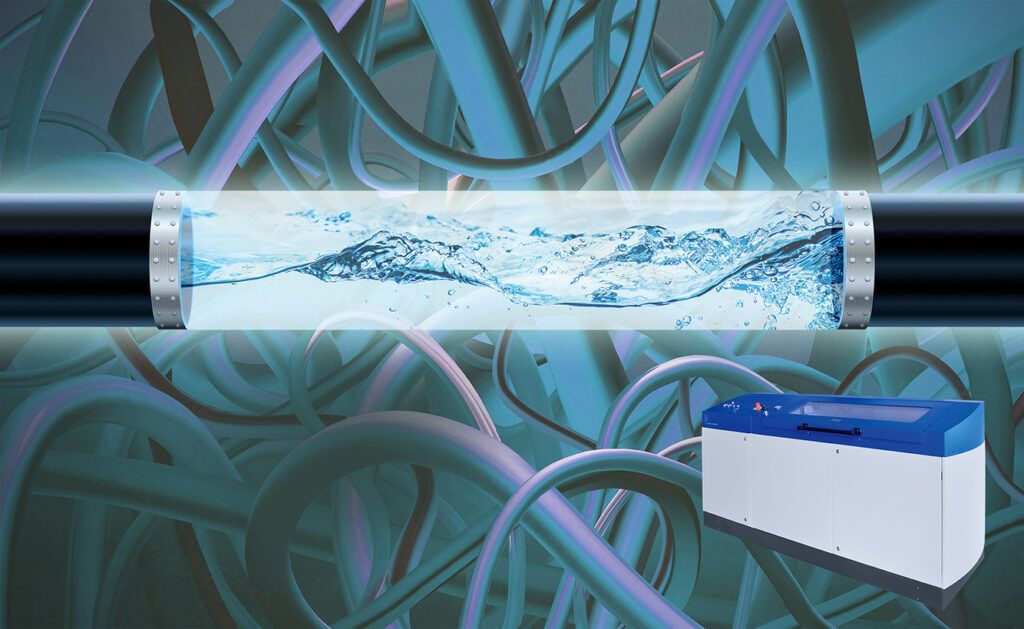
Poppe + Potthoff leak test stands can be used to test various components and assemblies for leaks by means of a pressure drop. Depending on the test requirement, our systems can be designed including vacuum unit and low pressure or high pressure module for optimal leak testing. In addition, Poppe + Potthoff offers e.g. bubble tests in a water bath / underwater tests with air and gas.
Bursting pressure test rig < 200 bar
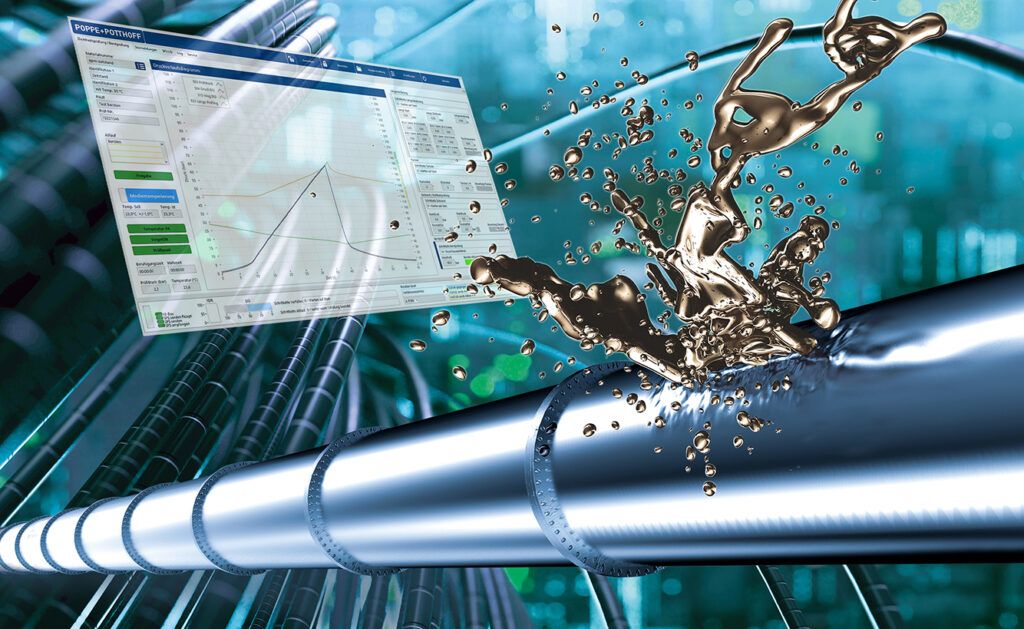
To prove the quality of media-carrying components, hose lines, pipes, pressure vessels and other components are pressurized until they burst.
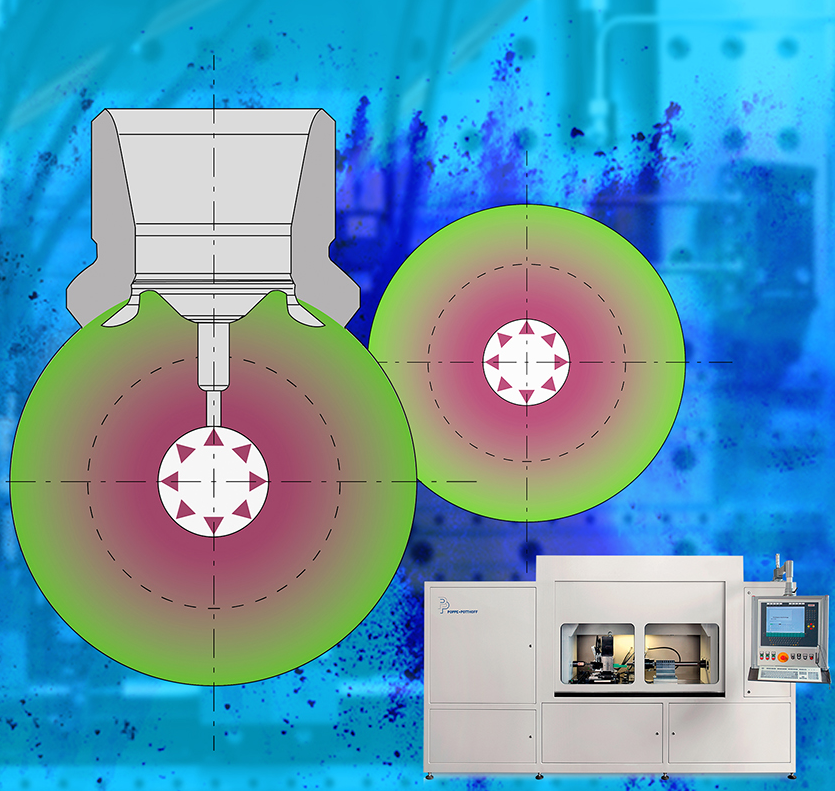
Autofrettage Machine
A flexible and expandable system for performing autofrettage on various components such as common rails and pump heads up to 12,000 bar.
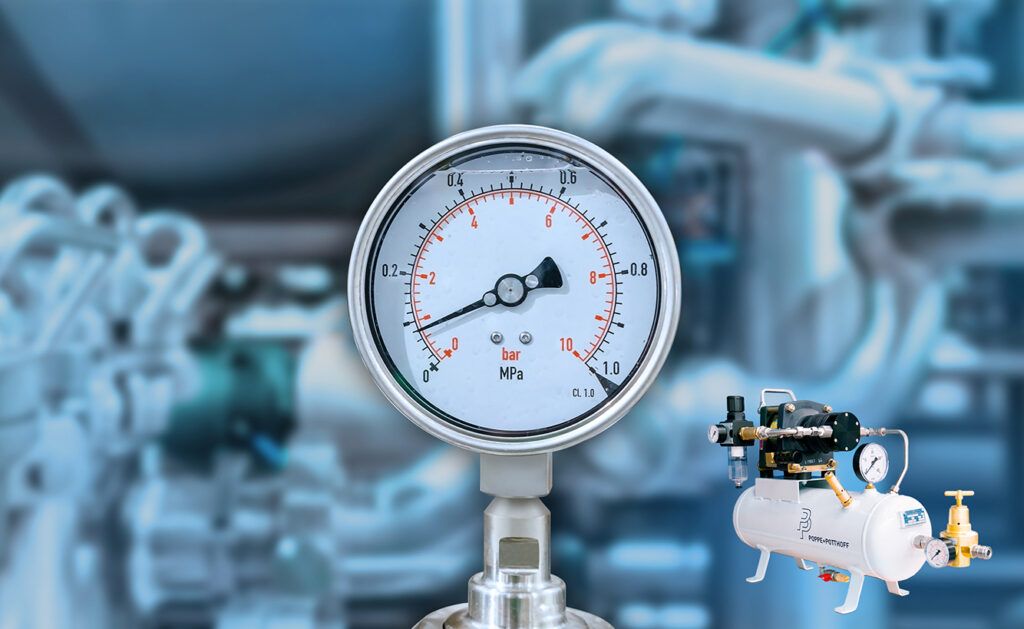
Compressed air booster
Poppe + Potthoff Maschinenbau GmbH supplies compressor units and pressure control systems up to 400 bar. We offer ready-to-connect units to increase the existing pressure for pneumatic and hydraulic applications. This allows the performance of already existing plants to be expanded flexibly and efficiently.
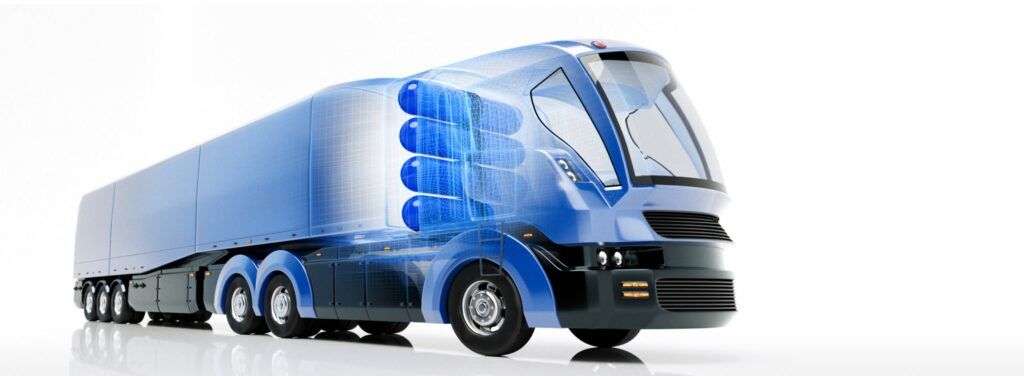
Test bench for H2 components
We offer pressure testing equipment for the development and validation of hydrogen and nitrogen components. The focus is on test benches in the area of pressure cycling, burst pressure testing, and hydrostatic strength testing.

1050 Bar Helium / Nitrogen / Hydrogen
A leak test bench equipped with a pressure module up to 1050 bar, an optional integrated climate chamber and a gas sniffer (e.g. Inficon) to detect leakage on H2 components such as ontank valves, hoses, pipes, fittings, regulators, valves and fuel cell components.
Automotive
Automotive testing involves a wide range of tests. Poppe + Potthoff Maschinenbau supports the industry with state-of-the-art pressure test benches, autofrettage systems and functional test benches.

Aerospace
Test systems from Poppe + Potthoff Maschinenbau put fluid systems and components for aerospace applications to a tough test. In the service life test, they undergo millions of pressure load cycles to simulate the service life of a component.
Home Appliances
Household appliance manufacturers are aware of the importance of ensuring that their media-carrying components are leak-proof from day one and that components can withstand a pressure load higher than the operating pressure. Poppe + Potthoff Maschinenbau supports the industry with various pressure testing systems.
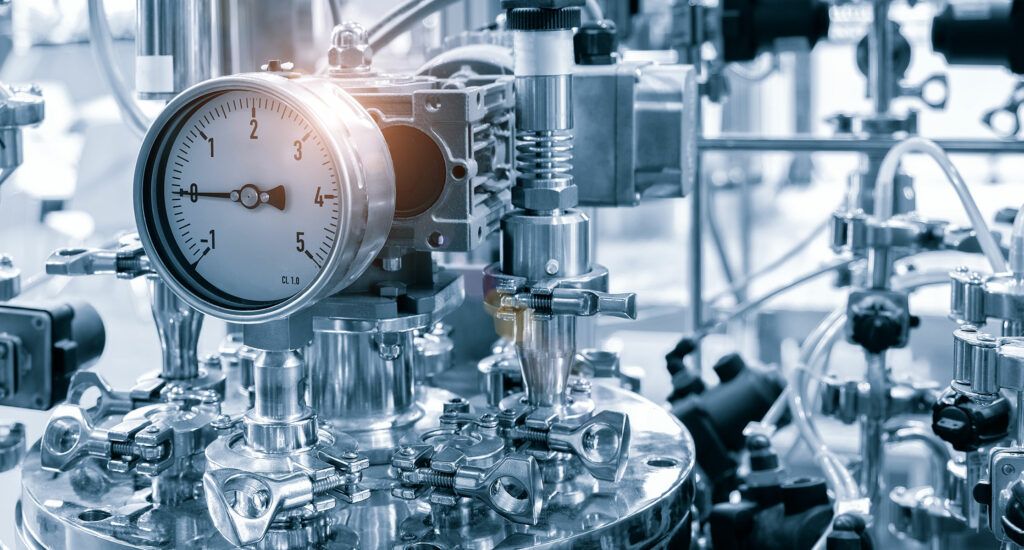
Medical Technology
Test benches for medical technology components from Poppe + Potthoff Maschinenbau put a wide variety of components to the test. Reliable, repeatable and accurate pressure tests and test processes ensure the quality of a component during research and development.

Shipbuilding
Marine engines are composed of components that are exposed to high pressures and require pressure testing of any kind. Cooling systems, pumps and valves of marine engines are exposed to pressure and are tested for their load capacity with pressure test benches from Poppe + Potthoff.

Oil and gas
Various components from the oil and gas industry can be tested on pressure test benches from Poppe + Potthoff. Drill pipes, tubes and (gas) valves are components that are exposed to changing pressure and temperature conditions and require pressure testing to ensure quality and safety.
Contact Us
Our experienced technical sales team will help you implement your project and find a solution tailored to your specifications and requirements. We are represented internationally and can support you and your company worldwide. Our team has completed hundreds of projects many of which involved supporting test facilities with identical equipment. P+P Maschinenbau is your internationally trusted partner.
Expertise, excellent knowledge of the market and affinity for our products guarantee our success.